Real Marriage vs. The Meaning of Marriage

008

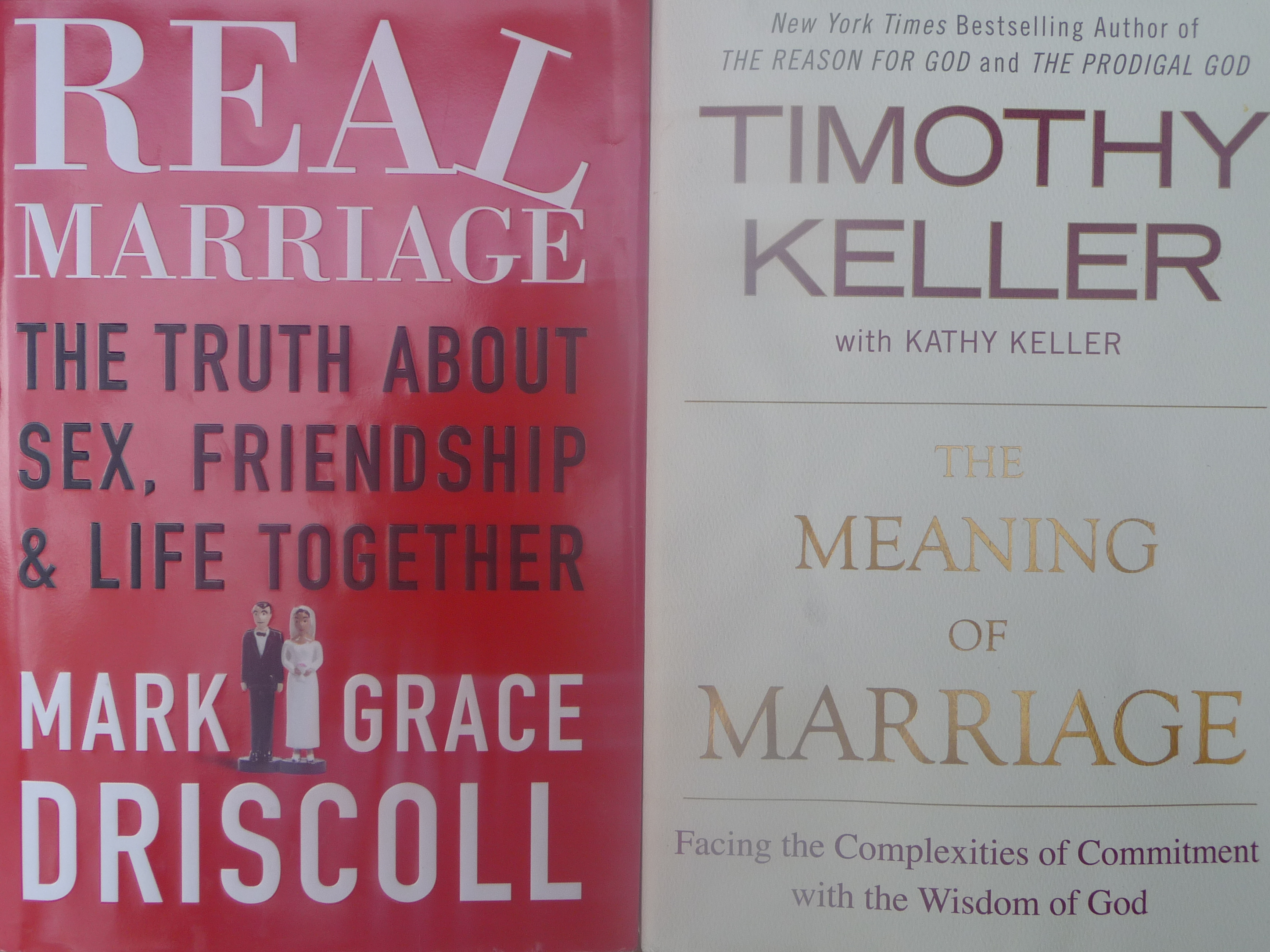
In 2011 Tim and Kathy Keller came out with the book The Meaning of Marriage: Facing the Complexities of Commitment with the Wisdom of God.  In 2012 Mark and Grace Driscoll released Real Marriage: The Truth about Sex, Friendship, and Life Together.  The two books are arguably the most popular recently-released books on Christian marriage, and this year, I was blessed to read both.  If you’re considering either one, the following are some personal reflections that may guide you as you decide which book to cozy up with this Christmas.

Despite being authored by two very different men, the books possess some basic similarities.  Both books have an accompanying sermon series.  (One was birthed out of a sermon series while the other inspired a sermon series.  Either way, if you’ve got a long drive to make this holiday, keep them in mind.)  Although predominantly written in the husband’s voice, both books were written by a husband and wife team.  In addition, both husbands are widely respected pastors, and the opportunity to peek behind the curtain of their private lives is powerfully impacting, not to mention interesting.

The most significant difference between the books is the style in which they are written, and the angle from which they approach the topic of biblical marriage.  Driscoll’s book is written conversationally and more firmly rooted in his personal life and journey.  In the very first chapter of his book, he and Grace plunge into the story of their marriage with brutal honesty.  I think my jaw was somewhere near my knees throughout the entire chapter.  Not only was I shocked that they endured such rocky waters in their marriage, I was amazed at their vulnerability in sharing it.  And I was deeply encouraged.  I kept thinking to myself, “Mark Driscoll went through this??”  Without meaning to, I can often listen to speakers like him and assume they’ve had a peaches-and-cream life—been the perfect husband, with the perfect wife, leading the perfect family.  Chapter one of Real Marriage dashed that illusion, and in so doing, it gave me the courage to look at my own marriage with the same frank honesty.  In this way, by humbly stripping away all pretenses, the Driscolls build an immediate trust with their readers, making the rest of their message more easily received.

However, their highly personal approach can also serve as a weakness in that much of the content of the book appears to stem from their own personal journey.  For instance, one of the greatest criticisms concerning Real Marriage is its significant focus on sex; the second half of the book is dedicated solely to the issue, which some have believed to be a disproportionate emphasis.  I personally believe the Driscolls were influenced by their own journey, and because sex was a significant issue in their marriage, they give it significant attention in their book.  They also overcame past traumas including sexual abuse and pornography—each of which is given a chapter in their book.  This manner of writing makes Real Marriage personal and impacting, but also limited in its scope.

The Meaning of Marriage takes an entirely different approach.  From the get-go, Keller looks to research and statistics to examine our culture’s view of marriage.  At face value, it is more difficult to “get into” Keller’s book simply because he is methodical.  Where Driscoll dives in with a jaw-dropping story, Keller carefully builds his case.  But in the end, the case that he builds is powerfully substantial, and in my experience, more lasting than that of Real Marriage.   While I remember interesting anecdotes from Driscoll’s book, The Meaning of Marriage changed my entire worldview regarding marriage.  By building a gospel-centered framework within which to view marriage, Keller’s book systematically re-trained my heart and mind to think biblically about marriage.  To offer a visual analogy, reading Real Marriage was a little like sitting in front of a bulletin board pinned with an array of different marriage principals.  A lot of good stuff, but unrelated and hard to remember.  Reading The Meaning of Marriage was like watching a diagram come together piece by piece.  In the end everything’s related, and the concepts hold together because they are rooted together.  In this way, while Real Marriage immediately pulls readers in, attention can just as quickly be lost because the concepts feel isolated and disconnected.  However, the more one reads Keller’s book, the more fascinating it becomes as the gospel-perspective of marriage unfolds with practical implications.

A Synopsis of The Meaning of Marriage
Keller opens his book by examining our culture’s current pessimism toward marriage, a pessimism that ironically stems from unrealistic idealism about marriage.  Because we as a society have a flawed view of marriage, our expectations of marriage are not only selfish, they are sky high.  The realization that one person cannot satisfy us completely (not to mention pick up after himself!) is frustratingly disappointing.  But, as Keller points out, “This is the secret—that the gospel of Jesus and marriage explain one another.”  Marriage was always intended to be a reflection of the self-giving, saving love of Jesus Christ—a far cry from our cultural demand that marriage better bring me personal happiness, or else!  This then is the key:  “If God had the gospel of Jesus’s salvation in mind when he established marriage, then marriage only ‘works’ to the degree that approximates the pattern of God’s self-giving love in Christ” (p46).

Chapter two unearths the “cancer” of self-centeredness and the vital necessity of the Holy Spirit to daily overcome it.  Chapter three (perhaps my favorite in the whole book) tackles the age-old question—where have all the butterflies gone?  As a woman who’s foolishly let pop culture tutor me on love and romance, this chapter was hugely freeing and empowering.  In defining the difference between a “covenant” and “consumer” relationship, Keller convincingly illustrates that God’s covenantal prescription for marriage truly brings the greatest and most lasting love—love that is not rooted in the flighty whims of feeling.  Chapter four examines the purpose and subsequent priority of marriage, honing in on the joy and power of spiritual friendship.  In my own copy, this chapter has a few sections that simply say, “Wow” in the margin because I was too convicted to think of anything else to write.  Take this quote for instance:

“What keeps the marriage going is your commitment to your spouse’s holiness.  You’re committed to his or her beauty.  You’re committed to his greatness and perfection.  You’re committed to her honesty and passion for the things of God.  That’s your job as a spouse.  Any lesser goal than that, any smaller purpose, and you’re just playing at being married” (p123). 

Having established a gospel-centered perspective of marriage, the remaining chapters become more focused on how to practically apply this perspective to daily living.  Chapter five delves into the incredible power each spouse has for building up or destroying based on how a spouse chooses to wield “truth” and “love.”  Keller also discusses “love currencies” (similar to “love languages”).  Chapter six, written in Kathy’s voice, ventures into the controversial subject of male female differences and gender roles.  Chapter seven is written specifically for singles (finally, a marriage book that addresses singleness with more than two sentences!)  And lastly chapter eight addresses sex, its biblical basis, and why it’s most celebrated within marriage.

A Synopsis of Real Marriage
Real Marriage is broken into three parts.  As mentioned earlier, chapter one is mostly a re-telling of the Driscolls’ own marriage story.  Chapter two asserts one of the fundamental premises of the book—that “marriage is about friendship” (p23).  Driscoll creates an acrostic using the word “FRIENDS” to teach seven biblical principles for marital friendship.  Chapter three is written directly to men (yes, I read it…I was so curious—wouldn’t you be?) One of my favorite things about this chapter is Pastor Mark’s frank, practical, “cut-through-the-malarkey” tone of voice toward men.  You could easily ask any guy, Christian or not, to read this chapter, and I guarantee he would find it amusing, convicting, and helpful all at the same time.  In the most impacting section of the chapter, Driscoll speaks to the balance between being tough and tender.  He uses characters like “Give ‘em Hell Hank” and “Little Boy Larry” (and lots more) to demonstrate how skewed masculinity manifests itself.  I had to marvel in this section at Driscoll’s ability to be hilarious and sobering at the very same time.  Chapter four, written in Grace’s voice, teaches women how to have “heads, hearts, and hands” of respect, while chapter five addresses the necessity of repentance and forgiveness in marriage.

Part two of Real Marriage looks to the sexual relationship, beginning with chapter six which describes the three ways people tend to view sex—as “God” as “gross,” or as a “gift.”  Chapter seven, written in Grace’s voice, deals with how to recognize and respond to a person who’s been sexually abused.  Chapter eight conveys the far-reaching effects of pornography both spiritually and neurologically.  Chapter nine outlines the difference between being a “selfish” lover and a “servant” lover.  Chapter ten, entitled “Can We __?”, is the book’s most controversial chapter, employing I Corinthians 6:12 to assess what is sexually permissible within marriage.  Again, I think the Driscolls are writing from experience.  As a highly influential pastor, Mark has heard hundreds of people ask the same questions—questions they’re embarrassed to ask, but questions for which they want biblical answers.  Personally, I admire the Driscolls for tackling real and relevant issues that many other authors avoid.  Nevertheless, critics have argued that his I Corinthians 6:12 grid for assessing these issues is faulty because it is rooted in what is “lawful and beneficial” rather than the finished work of Christ.  Finally, part three of Real Marriage is comprised of a single chapter with practical advice for how to “reverse-engineer” your life and marriage.

A Word to Singles
While I was reading Real Marriage, a close single friend asked me whether I thought it would be a beneficial read for singles.  I thought about it for a while before telling her, no.  While I think the accompanying sermon series would probably be helpful for singles, in my opinion, the book simply delves too deeply into sexual issues to be beneficial for singles.  I would, however, highly recommend The Meaning of Marriage to singles.  Ironically, Keller shares that it was the vast number of singles in his church that actually compelled him to write this book on marriage.  He saw warped mentalities alive within the singles of his church, from idealistic beliefs that marriage is an “end-all” to the Seinfeld approach for dating that disqualifies anyone with big hands or strange moles.  It’s no surprise his chapter on singleness is outstanding.  Keller addresses the “goodness” of singleness as well as the difficulty of it, and how to live with a healthy balance of desire and contentment.  He teaches the history of dating, and spends substantial time sharing “practical counsel for marriage seekers.”

Final Thoughts
What are you looking for in a book about marriage?  I suppose, the better question would be, what are you looking for in your marriage?  What are the issues you face?  If you have a past with sexual sin, abuse, or pornography, and are experiencing the ramifications in your marriage, Real Marriage could be a hopeful and edifying read.  If you are waning under the weight of disillusionment, disappointment, or confusion then step into the Kellers’ classroom for a couple of weeks.

Although both books have great attributes, in the end, I must agree with Tim Challies.  When asked to recommend a marriage book, The Meaning of Marriage will be my very first choice.  It is thorough, comprehensive, and cohesive.  In short, if you’re looking to slap a band-aid on your marriage, you can keep on walking past this one.  Tim Keller is not interested in the six simple steps to a happier marriage, or the five key strategies for clearer communication.  He is interested in examining the ideology behind marriage, the original intent of marriage, the meaning of marriage as defined by the Author of marriage. And if you’re willing to follow him on this journey, you’ll discover something far more lasting than the five strategies for clearer communication.  You’ll discover that the true secret to marriage is rooted in one place only—the gospel of Jesus Christ.
How to Make Scrumptious Sushi

025

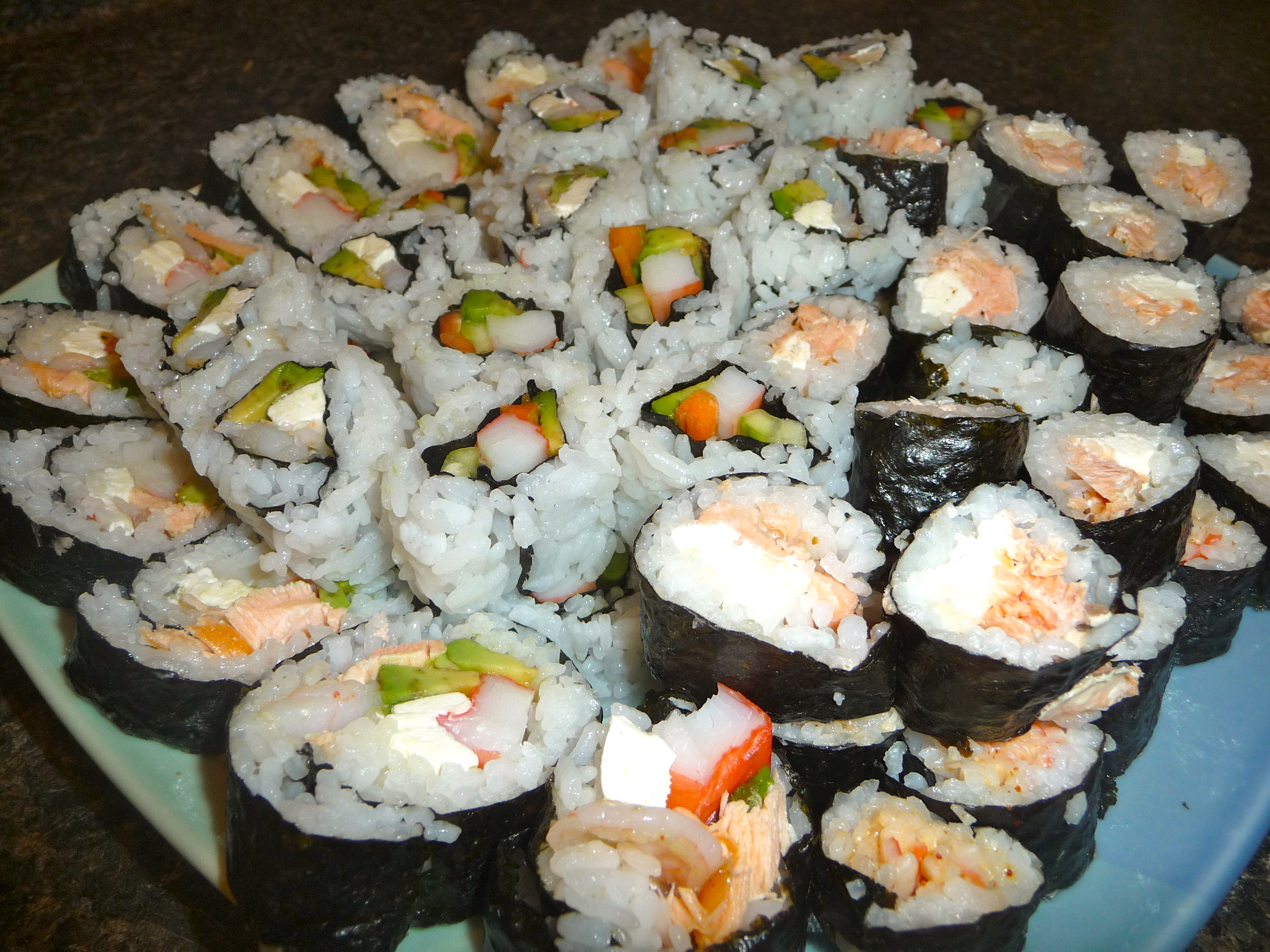
A few years back, my husband and I got ambitious and decided to host a sushi-making party.  The only problem was neither of us knew how to make it.  Thus began our research.  Over the years we have…well I should really say I have…perfected the art of sushi making.  (Clint has perfected the art of sushi consumption).  Stay-at-home-sushi-date-night has become one of our favorite traditions.  Since the kids aren’t as tickled over sushi as we are, we put them to bed, share a bowl of soy sauce, and dip, chomp, and talk to our hearts content.  It’s significantly cheaper than go-out-for-sushi-date-night, not to mention you can wear your pajamas.  And in case you’re feeling intimidated, it’s really not as hard as it looks.

As my husband and I quickly learned when we began our research, the secret to great sushi is in the rice.  In fact the term “sushi” refers to the specially prepared rice, not the fish.  So the first step to making authentic sushi is making authentic sushi rice.  Here’s how to do it:

(Note: The following is not my own original recipe.  Unfortunately, I perused so many different websites years ago that I don’t remember where this particular recipe came from, otherwise I’d give the website due credit.)

Sushi Rice:

Ingredients:

  • 2 cups sushi rice (you can buy sushi rice at Publix, Whole Foods, Fresh Market, or a local Asian grocery store)
  • 2 ¼ cups water
  • ¼ cup rice vinegar
  • 1 ½ tablespoons sugar
  • 1 tsp salt

Directions:

  1. Bring rice and water to a simmer, cover, and cook on low for 10 minutes.  Turn off heat.  Let stand, covered, for 10 more minutes.
  2. Meanwhile, make sushi rice seasoning by mixing rice vinegar, sugar, and salt until dissolved.
  3. Immediately spread the rice on a large cookie sheet, fanning it so that it cools quickly.  (Cooling sushi rice rapidly is the trick to making it sticky.)
  4. Sprinkle with prepared seasoning and let cool completely.

You will also need to purchase Nori, the seaweed paper used to roll sushi.  I usually buy it at Whole Foods or Fresh Market, though if you can find a local Asian store, it will probably be cheaper.  Make sure to buy toasted Nori.  Likely, these stores will also carry sushi mats, the small bamboo mats used for rolling sushi.  Buy one or two and you can use them forever.  The only other items you need are whatever ingredients you like inside your sushi rolls.  Here’s some of the staples we like:

  • Avocado
  • Cucumber
  • Carrots
  • Shrimp
  • Cream Cheese
  • Crab meat (imitation is fine—it’s what’s typically used in California rolls)
  • Smoked salmon (if I’m going to use raw fish, I buy it from a higher end store like Whole Foods or Fresh Market just to be on the safe side)

How to Make a Traditional Sushi Roll:

  1. Chop all ingredients appropriately and lay them out along with sushi rice, Nori, one sushi mat, and a bowl of water.  It is helpful to put your sushi mat inside a large Ziploc bag (or wrap it in plastic wrap) to prevent rice from being smashed in between the bamboo slats.
  2. Cut one sheet of Nori in half horizontally.
  3. Lay the Nori shiny side down on your bamboo mat.  Dampen your hands in the bowl of water and spread a thin layer of sushi rice on top of the Nori.  (The thinner the better!  Putting too much rice on your Nori will make the roll fat, and difficult to “seal.”)  The rice is very sticky—use the bowl of water as necessary.
  4. Next, lay ingredients in a straight line on top of the sushi rice about an inch from the edge.
  5. Beginning at the edge the ingredients are closest to, roll the Nori one time around the ingredients as tightly as you can.  Your goal is to lock all ingredients under the edge of the Nori.  Once you have done this, roll it a final time to seal it off.  If you cannot seal it because the ingredients are spilling out, you’ve made it too fat…and as my husband would say, it’s now a burrito roll, and you should eat it accordingly 🙂
  6. Finally, slice the roll into 8 pieces.

How to Make an Inside-Out Sushi Roll:

  1. A California Roll is one example of a common inside-out sushi roll.  To do this, follow steps 1-3 above.
  2. Once your rice is spread on top of your Nori, flip the whole thing over so that the rice is against the bamboo mat.  (For this roll it’s imperative you put your mat inside a Ziploc bag or cover it with plastic wrap).
  3. Now the Nori should be face up.  Line your ingredients along the Nori, then roll tightly as instructed above.  You can add slightly more ingredients to an inside-out roll then a traditional roll and still be able to seal it.  You can also sprinkle an inside out roll with sesame seeds or roll it a final time in salmon eggs (the bright orange stuff) if you want to be fancy!

Some of Our Favorite Homemade Rolls:

Traditional California Roll—imitation crab, avocado, cucumber, and carrots

Giada’s California Roll—imitation crab, avocado, and mango

Salmon Roll—smoked salmon and cream cheese

Spicy Crab Roll—shred some of your crab meat and mix with mayo, cayenne pepper, and chili powder; spread mixture evenly on top of rice before rolling

Seafood Roll—crab, salmon, shrimp, cream cheese, and avocado—often we make this a HUGE roll by using a whole sheet of Nori instead of a half sheet.  We slice the finished roll into ten pieces instead of eight so each piece is thinner.

Veggie Roll—avocado, cucumber, carrots, blanched asparagus

The sky’s the limit when it comes to creating sushi rolls.  One of the most fun things about homemade sushi (besides the joy of gorging yourself on cheap sushi) is the fun of creating it.  For this reason, it’s a great idea for a social gathering.  Throw out an array of ingredients, let everybody build their own, and enjoy the tasty creations you come up with!  Mmmmm…..

On My 28th Birthday

Today I am happy just to be me.
To laugh with my husband and dance in the rain,
To embrace all of life—including the pain,
To see others’ weakness and love them the same,
To belong to a God who knows me by name.

Today I am happy just to be me.
To wonder and dream, to hope and create,
To kiss little cheeks that stay up too late!
To cling to the Cross, to let go of hate,
To relish the journey, to be willing to wait.

Today I am happy just to be me.
To be a little less scared, and a lot more free,
To hold nothing back, to love fervently,
To open both hands to possibility,
To know a little more of what it means to be me.

Today I am happy just to be me.
To be flawed and broken, but holy and new,
To be growing and failing, but tested and true,
To know all my days are hidden in You,
To be loved by Your grace and not what I do!

Today I am happy just to be me.
To live by the gospel, to claim what’s been done,
To be loved by a man, to be his only one,
To give all of myself and not just some,
To believe the best is yet to come!

My Ungrateful Heart

lonely man[1]

I had a little pity party today.  Ironic, I know, considering the fact that thousands of families across America gathered to count their blessings.  The truth is, I have a lot to be grateful for.  But for some reason my heart seemed dead set on finding things to complain about.  Minor grievances, irksome frustrations, circumstances beyond my control.  What got it all started was a comment my husband made in the morning.  I have a brilliant brother-in-law (currently in residency) who rarely gets time off.  This year he and his family couldn’t join us for Thanksgiving until Friday.  Unfortunately, my husband only had Thanksgiving Day off of work.  This morning, Clint sadly made the remark that he was disappointed he couldn’t spend his day-off with his family.  Knowing my husband, he was likely over it about five minutes after he voiced it.  But not me.  I let the comment stew until it began to fester: Yeah, that is disappointing.  Poor Clint!  Everybody will be here tomorrow and he’ll be back at work.  It’s so unfair!  Why doesn’t he ever get a break?  This stinks!  It really stinks!  It super-duper stinks!  Blah, blah, blah…on and on.

It’s amazing how easily my heart can drift into discontentment.  One minute I’m joyful, the next I’m sulking.  In reflection, I think there are two major battlegrounds–the mind and the heart.  Contrary to Paul’s teaching, I failed to “take captive every thought to make it obedient to Christ” (2 Cor. 10:5).  But I was especially susceptible to such thoughts because of the idols in my heart.  Like the dry wall in an attic, there are weak territories in our heart–tread too harshly and you’ll come falling through.  These are the sensitive spots, and for me, my husband is one of them.  I am fiercely protective of him.  I’d like to say it’s simply because I love him, but it’s not as noble as that.  I’m protective of him because I don’t trust God with him, and because I am constantly tempted to idolize him.  And my heart was only designed to idolize One Person.  Whenever I take my affections off Christ and lay them squarely on someone or something else, all manner of ugliness spews out of me.  Defensiveness.  Possessiveness.  Anger.  Envy.  (Really, all the things the Bible guarantees will spew out of a heart living in idolatry.)  So what’s the remedy?  I think it starts with learning where the weak places are.  Just like your dad use to point them out in the attic by warning, “Don’t step there!”  Only instead of avoiding them, reinforce them.  Memorize Scriptures to directly combat the idols you’re most tempted to turn to.  And be wary.  That’s what should have happened this morning.  I should’ve recognized that I’ve been here before.  This is familiar battleground, Jeanne!  Stand firm!  God is always in control.  He will minister to Clint.  You have so much to be thankful for.  Can you imagine what a greater encouragement I would have been to Clint?  Not to mention what greater joy I would’ve experienced?

In the end we went to Cracker Barrel for lunch (which, if you didn’t know, is one hopping place on Thanksgiving Day).  And in the process God used something powerfully simple to catch my attention.  I was standing behind an elderly man, waiting to request a table, when the waitress turned to him and brightly asked, “How many?”  The old man quietly said, “I’ll take one Thanksgiving dinner to go, please.”  I looked at him, and my heart fell to my toes.  I pictured him all alone, eating his Thanksgiving dinner by the TV set.  How can there be no one to cook this man Thanksgiving dinner?  No one to share it with him? 

There’s nothing like perspective to give you a cold hard slap in the face.  That old man with his small polite smile broke my heart today.  In so doing, he turned my heart back to the Lord.  With my eyes fixed on Him, the foolish grievances scattered like ash to the floor.  And wouldn’t you know it–my great God replaced them with joy, worship, and yes, even gratitude.  So tonight I am thankful for a gracious Father who faithfully loves every person He created–myself, my husband, and a lonely elderly gentlemen somewhere in Southern Georgia.

Guilt-Free Womanhood

200271631-001

Wake up running, try your best,
No time today to take a rest,
The dishes weren’t done before bed last night,
And now the kitchen’s a miserable sight.

“Sit in your chair, don’t argue with me,
I’ve got lots to do, can’t you see??”
Hurry, rush, clean, clean, clean,
I wonder if my tone was mean?

It’s grocery day, no time to lose,
Button their coats, slip on their shoes.
Gee, these hand-me-downs look rough,
*Sigh!  I never dress them cute enough!

In the store a thousand choices,
In my head a thousand voices:
You shouldn’t be paying so much for that,
You shouldn’t be buying those salty snacks…

On and on, the voices come,
Talking til the day is done.
Wash the dishes, sweep the floor,
Work til there is nothing more.

Then lay in bed, my spirits sagging,
Count the ways I’ve come up lacking:
Forgot to make my husband’s lunch,
Processed snacks for the kids to munch,

Should have served my husband more,
Shouldn’t have skipped that extra chore.
Gave in to the chocolate crave,
Growing a new species in the microwave!

Did my kids see the gospel today?
Did we spend enough time in play?
Oh, how come womanhood seems to be
Synonymous with “guilt” for me?

I wonder what the Lord would say,
If I let Him speak into my day?
Perhaps He’d take me by the hand,
And lead me to His Word again.

To a place where Mary was rewarded
For leaving her tasks in order to worship.
To a well where a guilty woman like me,
Drank of the Water that set her free.
And to a city where a whore’s red rope,
Bought for her a living Hope.

Maybe He’d take me back in time,
To the woman who pushed ahead in line,
Just to touch the tip of His cloak,
Believing it would rid her an awful yoke.
Or to the woman at the foot of a Cross,
Weeping for the Son she’d lost.

All of these women knew in their being
That He is the greatest reason for living.
And so in the midst of their crazy lives,
They didn’t hold up “effort” and expect a prize.

Instead they hurled all pretense aside,
And ran for the Arms spread open wide!
And with their pride tossed to the wind,
They staked all hope on belonging to Him.

Tomorrow, start over and wake up smiling,
Sing for the joy of simply belonging,
Live by His power like the woman of old
Who touched His robe with faith so bold.

Claim the truth, when you feel guilty,
Like the Samaritan—believe you are free!
And if you must, tie a red rope,
Around your window when you’re tempted to mope!
Remember the faith that Rahab had,
Then sing of His mercy, rejoice, and be glad!

Hold to the Cross in smooth winds and rough,
Don’t live like His death wasn’t enough.
And if you should find yourself suddenly flailing,
Be then like Mary, and choose the better thing.

(Luke 10:38-42, John 4:1-30, Joshua 2, Matthew 9:20-22, John 19)

(Photo not original)

Top Ten Favorite Purchases of 2012

Just for fun I thought I’d share my favorite items of 2012, in case anybody’s getting a head start on Christmas shopping…or Christmas wish-list-writing!  Not all of these things were “newly released” this year; they were simply acquired in our household throughout the year.  In reverse order, here are my 2012 favorites:

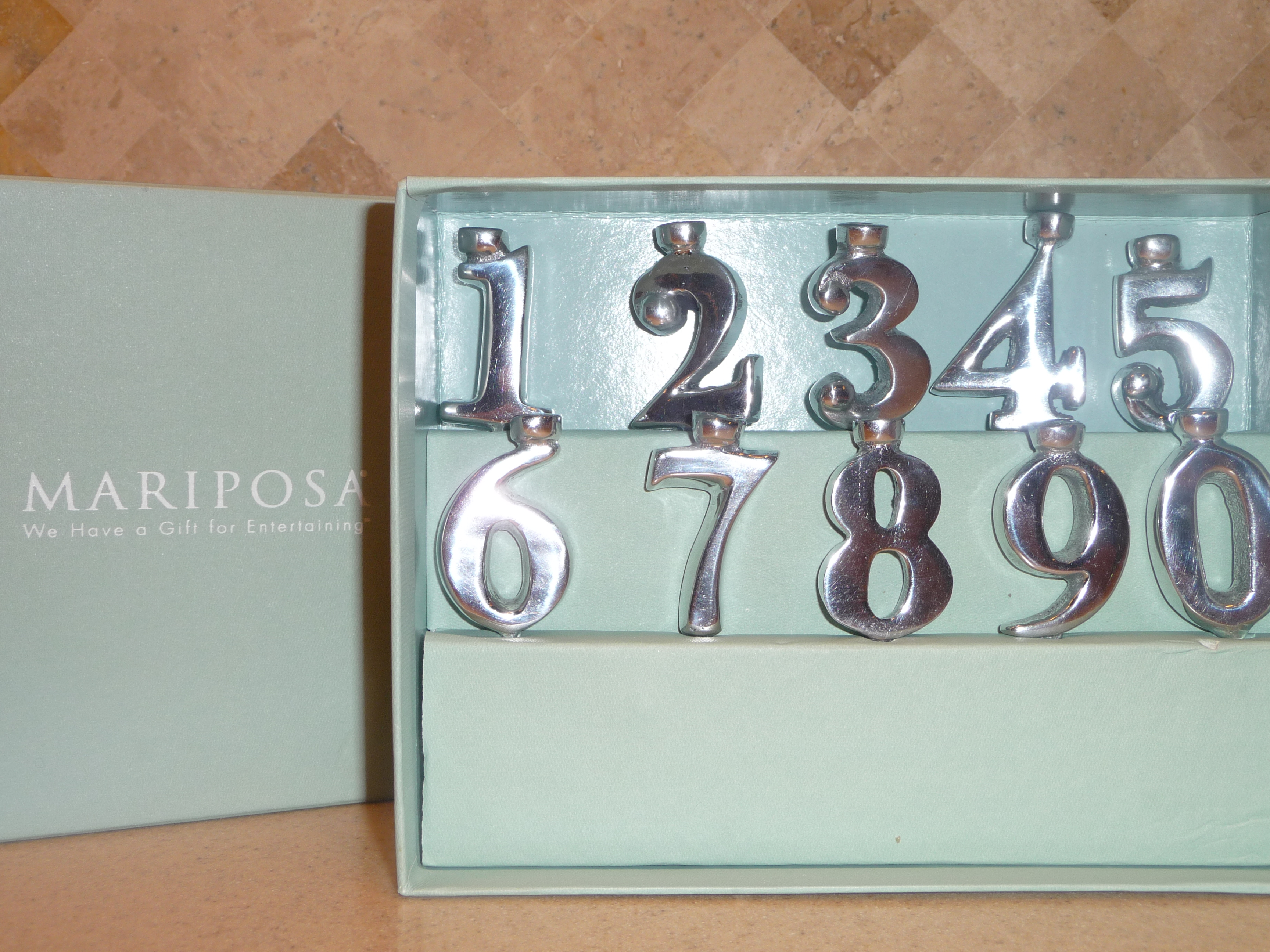
10. Mariposa Birthday Candle Holders

This is a great gift idea for a woman who’s got everything.  My sister-in-law gave them to me this year, and I love them!  We have used them on everybody’s birthday cake.  Aubrey has already memorized the “3” in anticipation of it appearing on her cake.

.

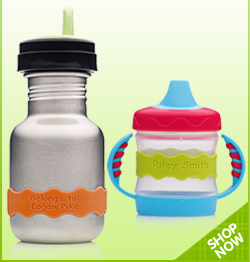
9. Inchbug Orbit Labels

Whoever invented these is a genius.  You can buy 4 personalized labels for $12 and never lose a sippy cup again!  (Photo courtesy of www.inchbug.com)

.

.

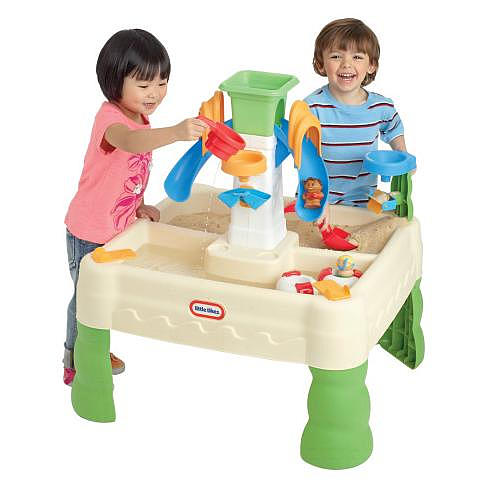
8. Sand and Water Table

We were given a hand-me-down water/sand table from our dear friends when they moved overseas, and it is awesome!  When it’s warm outside, Aubrey can play all by herself, “bathing” baby dolls, “cooking” with Mommy’s bowls, floating boats…  Finally, a safe way to play with water unsupervised.  (Photo courtesy of http://www.toysrus.com/product/index.jsp?productId=11145187)

.

7. Etsy Personalized Necklaces

I have fallen in love with Etsy jewelry.  It’s the perfect gift for all the sentimental women in your life because everything is made-to-order by hand.  (Photo courtesy of https://www.etsy.com/transaction/101844384)

.

.

6. Personalized Shutterfly iPhone Cover

This was my Father’s Day gift to Clint, and I must admit I thought it was terribly clever.  It’s so hard to buy a guy a sentimental gift because they don’t wear jewelry, or care much for monogrammed things or framed pictures.  You can custom design a case at www.shutterfly.com with your own special photos.

.

5. Swing Set

If the grandparents have asked you what to buy their grandkids this year and you don’t own a swing set, it’s worth its weight in gold!  When everybody’s at their wits end, “Who wants to go swing and slide?!” is always a great thing to yell.

.

.

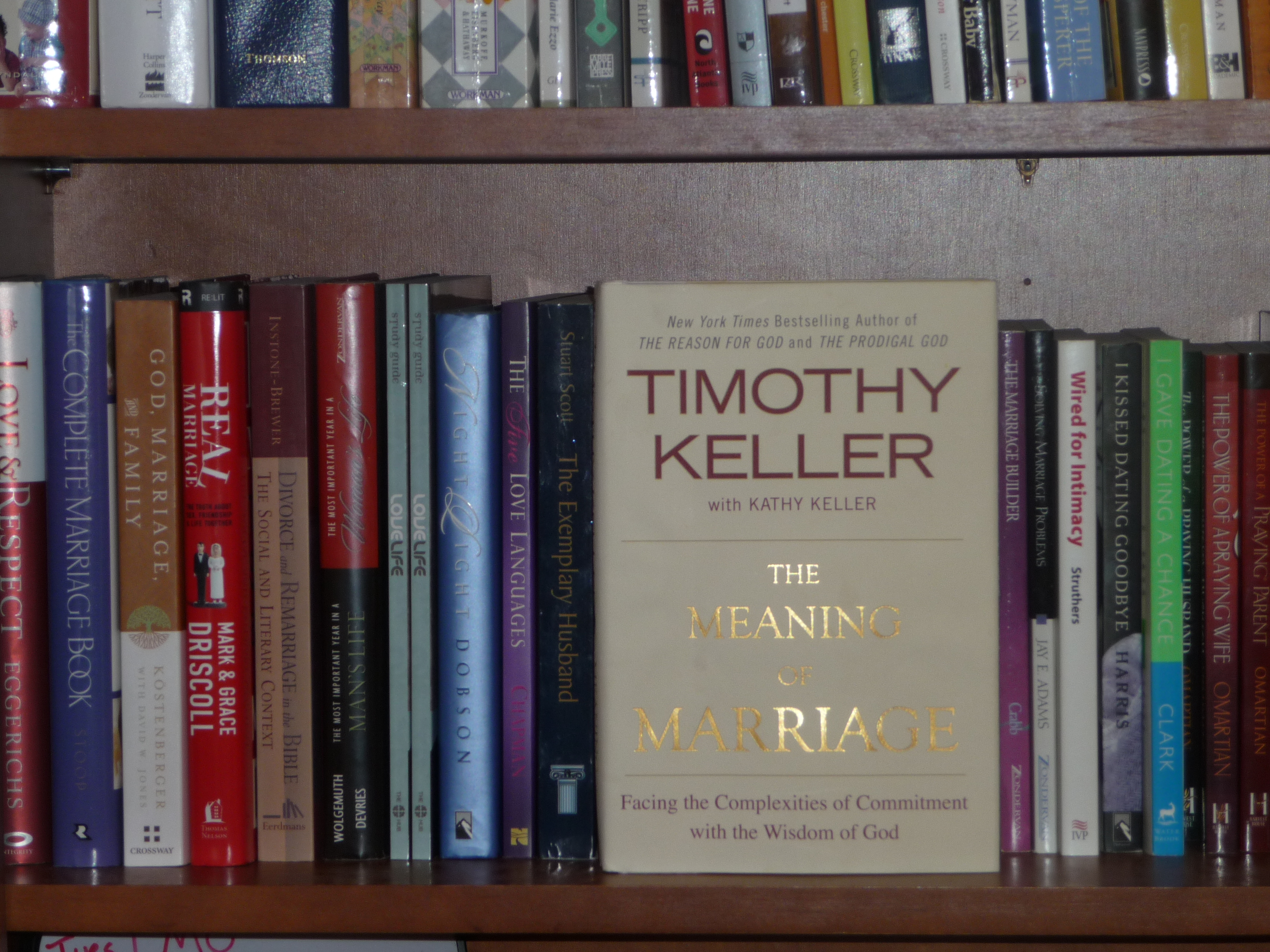
4. The Meaning of Marriage

At some point I will probably give this book its own individual post because it has so deeply impacted me.  But suffice to say, it cut straight to the heart of many of my personal struggles in marriage.  In my opinion, it’s the best marriage book of 2012.

.

3. The Jesus Storybook Bible

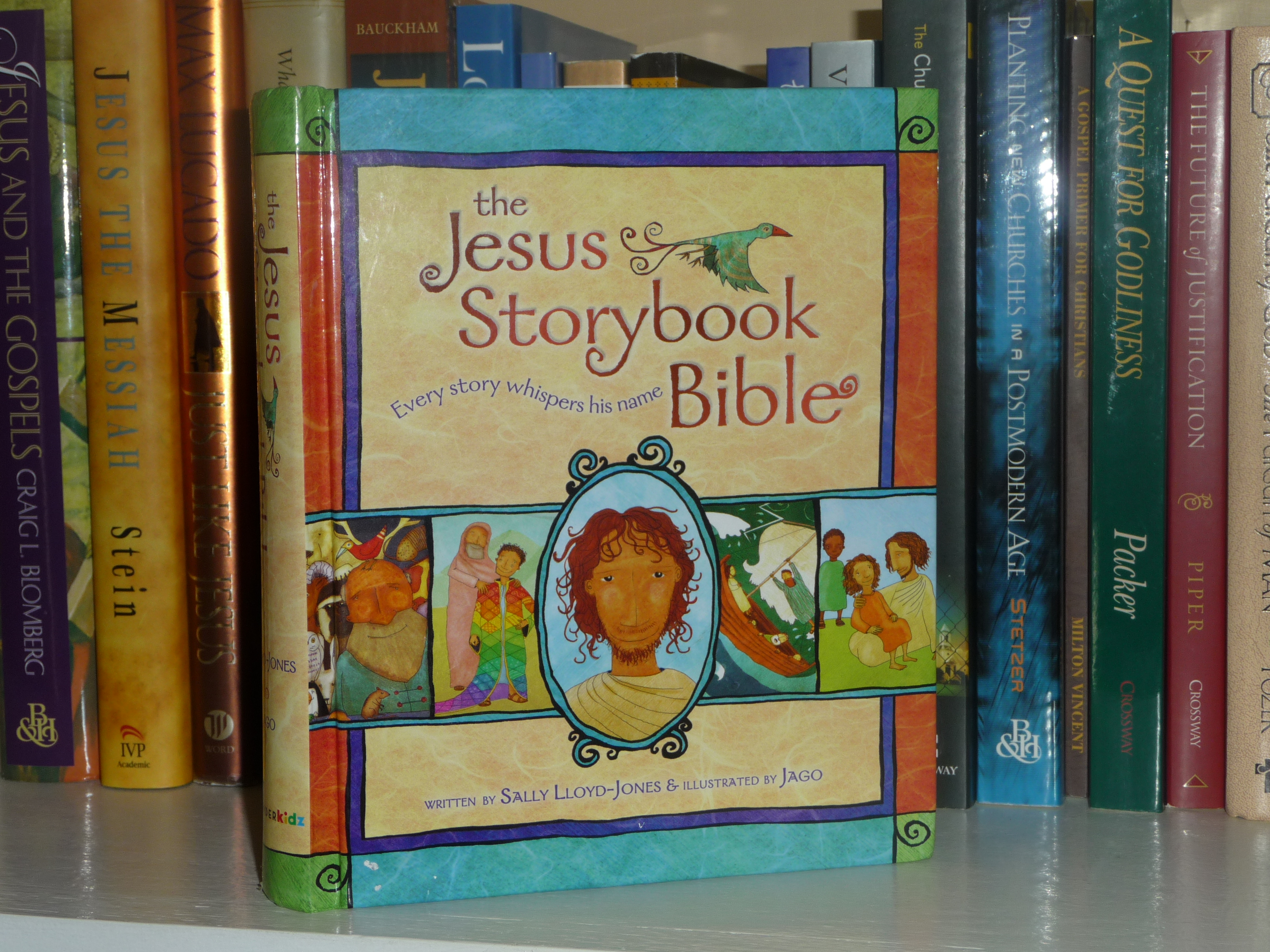
This book is a must-have for children!  Our church gives them away at baby dedications, and ours has been dearly loved ever since.  The unique thing about this particular children’s Bible is that it places Jesus at the center of every story–Old and New Testament alike.  After reading it for less than a year, my three-year-old can already find her favorite stories, name the characters, and tell the stories back to herself.  Just today I saw her flipping through the resurrection story saying, “And then the stone was all gone, and Jesus could get out.”  (turn the page)  “Jesus is ALIVE!  He is not dead anymore!  And look, Heidi, no more boo-boos!”


2. Illustrated Children’s World Map

We bought this children’s map to teach our kids about praying for the nations.  The best thing about it is that it’s covered with illustrations to help kids learn about the animals, flags, and exports of various countries.  It’s easier for Aubrey to remember where countries are located because she can look for the animals associated with them.

.

1. Bowflex Dumbbells

This is my all-time FAVORITE purchase of the year!  Each dumbbell adjusts from 10-90 pounds with a single “click.”  Although pricey, when you factor in the cost of buying 10-90 pounds in individual dumbbells, it’s a steal.  Not to mention, they take up a fraction of the space.  But my favorite feature is the accessibility.  Instead of joining a gym, my husband and I opted to invest in exercise equipment for our home.  So I can work out while the kids nap, or (since the “gym” doubles as a playroom) turn on some music and let the kids play while I lift weights.  Amazingly, one of the most fun times of the day is when Daddy gets home and lifts weights.  As I’ve mentioned before, Daddy is the life of the party and Aubrey has her own set of dumbbells, so altogether it is hilarious to watch.  If he ever lets me, I’ll post a you-tube video 😉


When All You Can Do Is Wait

Photo courtesy of http://calledintowork.com/articles/article.asp?articleID=47

I’ve never met anybody who loved waiting rooms.  Think about it—nobody schedules a doctor’s appointment to read the AARP magazines in the waiting room.  You don’t call Cox Cable to listen to the music they pipe through the phone while you’re on hold, and you don’t go to a restaurant for the fun of holding a buzzer in your hand.  Embracing the concept of “waiting” defies our sense of logic.  Waiting is what we put up with to reach the goal.  We endure it.  Deal with it.  Grumble our way through it.  But we certainly don’t embrace it.  In many ways, “waiting” is the enemy.  It is the hairline crack in our perfect plans that terrifies us, secretly makes us question if we’re deficient…if God’s deficient.

I use to view “waiting” as something akin to being a bench warmer.  You’re watching the game, all the while knowing deep down that if you were just a little bit better, you’d already be on the field.  Married to the man.  Given the position.  Pregnant with a baby.  Head of the company.  Healthy and in remission.  It’s taken a painful journey for God to teach me that waiting on Him, is playing the game.  And as such, it requires phenomenal endurance, strength, and training.

Training myself to “wait” in a God-honoring way began with an honest look into why I hate waiting so much.  I came up with three reasons.

1. I want to have control over my life.
I have sugar-coated this for a long time by simply describing myself as a “go-getter.”  I like to have a plan, and I like to accomplish it.  In fact, at random times in the day, my three-year-old will point one pudgy finger forward and command, “Let’s keep moving!”  (I wonder who she learned that from?)

Moving forward gives me the illusion that I am in control of my life.  Being at a God-ordained standstill, when I want to be moving forward, shatters that illusion.  I feel like a cartoon character running as fast as I can, with somebody’s hand against my forehead.  It doesn’t matter how much I want it, I’m not going anywhere.

But oh, the sweet grace, of being stopped by the hand of God!  Of being reminded that He is in control.  The truth is, deep down I don’t want to be in control of my own life, because deep down I know how inept I really am.  To sit back and submit, to quit trying so hard and simply wait on the Trustworthy One—now that is freeing indeed!  To embrace a season of waiting is to embrace the authority of God, to willingly acknowledge that He has complete control.  And it’s impossible to do that and not come to a place of greater peace.

2. The act of waiting is usually accompanied by a host of lies.
For me, it typically begins with worldly idols—for instance, I want the success and acclaim of being married to a man with a phenomenal ministry.  This idol becomes enshrined in worldly thinking.  Look at that other couple—they’ve got it all together.  Look at how their ministry is growing!  If only I could have this or that, surely I’d be content.   Following the really destructive lies come the really depressing lies.  Maybe I’m just not good enough. Maybe God doesn’t love me as much as He loves them.  Maybe there really isn’t a plan for my life.  

In order to embrace “waiting” we must first win the battle for our minds.  And this is no easy task!  As often as the lies come—a million times a day—we must be ready to speak the truth to ourselves.  Like the athlete in I Cor. 9:24-26 who runs to win a prize, disciplining his body, forcing it to submit, we train our minds to feast off of the Truth.  For me, this began with memorizing Scripture that directly countered the lies I believed, for my particular battles it was Psalm 16 and Psalm 34.

3. I had a wrong perspective of waiting.
Earlier, I mentioned my “bench-warmer” view of waiting, but actually my wrong perspective went even deeper.  My focus in “waiting” has always been very literal.  I am waiting to be done with school.  I am waiting to meet the right guy.  I am waiting to get a teaching job.  You get the idea.  But the Bible makes it clear that the thing we are to be waiting for is the Lord Himself.   

“I wait for the Lord, my soul waits, and in His Word I hope; my soul waits for the Lord more than watchmen for the morning, more than watchmen for the morning.”  (Psalm 130:5-6) 

You see, we aren’t just waiting to pass the home study, make it through medical school, get the promotion, or grow a church.  We’re waiting for God Himself—His presence to fill us, to make us more like Him, to take us deeper into the heart of who He is.  And amazingly, how does He do this?  By allowing us to wait.  The very act of waiting is sanctifying in and of itself!  And in this, we can take great heart!  If you, like me, are in a season of waiting, allow me to say I know how hard it is.  Believe me, I do.  But may I encourage both of us with this glorious truth—you and I are moving forward…just not outwardly.  We are moving forward into becoming the people He wants us to be.  We are moving forward in developing patience, trust, and submission to His perfect will.  We are moving forward into the very heart of God.  All this waiting, it’s not a break in the plan, it’s part of it.

So in these seasons of waiting, let’s train our minds not just to know the truth, but to believe it.  Let’s train our hearts to trust the heart of God with greater and greater stamina, so that if He should say to us, “Wait another month…wait another year…wait indefinitely,” we might courageously and willingly respond, “Yes, Lord!”  If we do that, we’re not only out on the field, we’re winning the game.

The Rollercoaster

Photo courtesy of http://www.newyorknewyork.com/attractions/the-roller-coaster.aspx 

I got on a rollercoaster today.
It didn’t seem I had a lot of say,
For I never ran toward it in haste,
Yet suddenly I was strapping a seatbelt round my waist.

Then up, and up, and up it climbed–
My heart was soaring and so my mind!
At the very top a wedding march played,
Church doors swung open & the bride was displayed!

Just as I thought I’d burst with delight,
My jubilant heart erupted in fright.
Down and down and down we plunged,
Til we could’ve soaked up our tears with a 10-gallon sponge.

Whizzing past failure, swooping beneath bills,
I lost all sight of my original will.
My heart was consumed with anxiety and doubt,
What did we think marriage was all about?

Then just as suddenly we began our ascent,
Gathered extra money–even paid our rent!
Accepted into seminary, a new job for the wife–
Yes, yes!  Now this is living the life!

Laughing with friends, hosting parties all night,
Once more I could feel my heart racing with delight.
Security!  Stability!  Oh, to be young and free!
Wait…wait…wait…what’s happening to me?!

Stomach growing rounder, ankles swelling fast,
Plunging lower and lower–the freedom’s not gonna last!!
My tummy’s churning madly; I’m puking left and right,
Now suddenly I’m in a rocking chair, crying through the night.

Eyes so bleary, mind so crazy, body worn and stretchy,
The rollercoaster’s reached it’s low…and boy does it look messy.
Poopy diapers, spit-up rags, mommy always crying,
Whoever said it’d be sheer bliss surely must’ve been lying.

And then one day a little coo,
A giggle, a smile, a babble–who knew?
A night full of sleep and those first sweet words,
Motherhood, difficult?  Don’t be absurd!

She’s darling, she’s perfect, she’s utterly sweet!
Look!  Look!  She took a step on her two little feet!
Laughing all day, giving Mommy a kiss,
Life doesn’t get any better than this!

The coaster’s soaring high, the wind in my hair,
She is the greatest answer to prayer!
She’s mine forever and I’ll never leave her,
Wait just a minute…is that a FEVER??

Down, down we go flying in the blink of an eye;
What if it’s incurable…what if she dies??
What if she’s rebellious and my world falls apart?
What if some loser breaks her heart?

How much more can I take?  This coaster’s a bear!
I look left and right–are we getting anywhere?
And then I glance backwards and suddenly I know,
I’ve been on this ride forever and there’s forever left to go.

I stare at the track swerving up ahead:
Jobs, babies, trials…I’ll be riding ’til I’m dead!
“Stop the rollercoaster!”  I scream into the air.
It screeches to a halt and I scurry from my chair.

“What is this hellish ride?”  I demand to know out loud,
Glaring at the driver through eyes like darkened clouds.
“This ride is filled with turmoil; it’s insanity and strife!”
He calmly looks at me and says, “The ride is called ‘Life.’ ”

“I hate it!”  I yell.  “I can’t do it, I know!”
He pauses to consider, then answers kind of slow.
“Perhaps this isn’t the ride for you;
I’ll tell you what you ought to do.

Head to that line you see on the hill,
The passengers say that ride is still.
It’s calm and it’s steady; some even claim
They can sense joy on the parts filled with pain.”

“Yes, yes!”  I nod quickly.  “That’s the ride for me!
Oh, thank you and good-bye!”  I shout out with glee.
I pause and turn back, one thing left to say,
“Just tell me what it’s called, so I don’t lose my way!”

Already my heart is light; the peace I nearly taste
As he looks at me and says, “They call that ride ‘Faith.’ “

Assessing the Princess Obsession

tutugirlOne day, about a month before her birthday, I casually asked Aubrey what sort of party she’d like.  She stared at me blankly.  Because I’m not a do-it-yourself kind of girl, I thought of the limited party-plate selection at Wal-Mart, and prompted, “You know, like a Dora party or a princess party?”  Aubrey considered for a moment, then announced, “I want a princess party.”  Okay, done!  Immediately I thought of the $5 Ariel costume I’d picked up at a consignment sale for trick-or-treating.  Perfect!  The simplicity was satisfying—there were 86 billion princess party supplies at Wal-Mart, and she would get 2 uses out of her Ariel costume.

But in the weeks that followed, I began to have second-thoughts.  As Heidi’s birthday came and went, Aubrey grew increasingly excited about her upcoming princess party.  She talked about princesses, wanted to watch movies about princesses, and adoringly dressed the Polly Pocket princesses at her friend’s house.  My doubts grew.  But I’d already told grandma about the princess party, and the day after she heard, all 86 billion princess party supplies from Wal-Mart were deposited in my dining room, along with a few princess coloring books just for fun.  Before long, Aubrey knew all the Disney princesses by name and dress color.  Finally, one night, I voiced my concerns to Clint.  “You know, I’ve been thinking…what if we did a ‘God’s princess’ theme?  We could put up a big sign that says, ‘I know I’m a princess because my Father is the King of Kings!’”

“Sounds kinda cheesy,” Clint said.

*Sigh.  Back to the drawing board.  In the end, I’ve chosen to keep the princess party theme, although it will hardly be a “Toddlers in Tiara’s” extravaganza.  In fact, only grandparents have been invited, so there will be exactly one dress-up princess in attendance—Ariel.  But the whole ordeal has caused me to consider carefully the messages and media I’m encouraging in our home.

There is something beautiful and dangerous in the “princess” theme.  I never taught my daughter to find pink puffy dresses and princesses fascinating.  I doubt many moms do.  Nevertheless, the phenomenon lives.  Why?  Because it captures the female heart.  It speaks of our desire to be precious, to be valued and treasured and loved.  All of these messages I want to drive deeply into my daughter’s heart—you are precious, you are valuable, you are of incredible worth because God Almighty created You, gave His very life to redeem you, and pursues you even now.  You will never meet a King as mighty, nor a Prince as romantic as Jesus Himself.  In belonging to Him you will find all the worth your soul ever craves. 

But this is only one side of the coin.  The princess theme is also engaging because it caters to our sinful longing to make much of ourselves.  And that is the aspect of the princess obsession that I despise.   Not the desire to be special, but the desire to be the most special, the most beautiful, the most important, the most glorified.  As a mother who desperately loves my daughters, I see a powerful beast alive in the princess mentality, and it makes me want to don some knightly armor and rescue my daughters myself.  I want to protect them from the arrogance of entitlement, the addiction to self-glory as ancient as the Tower of Babel.  But the truth is, plastering a cheesy banner across my living room wall doesn’t make me a knight any more than fastening orange extensions into Aubrey’s hair makes her Ariel.  There is only One Warrior with the ability to protect my daughters, only One Hero with the capacity to satisfy them.  And my greatest hope for raising my girls in godliness is daily throwing myself upon His mercy.

Establishing a Schedule

iStock_000007195918Small
No matter what your previous work experience, when you take on the role of full-time homemaker, you are suddenly CEO of the company.  Each day stretches like a blank slate before you, and how you choose to fill it is entirely up to you.  There are no meetings, no job descriptions, and no quarterly evaluations.  If you do a smashing job, no one’s going to promote you, and if you’re woefully irresponsible no one’s going to fire you.  The uninhibited freedom can feel overwhelming at first.  I think it’s why we young moms will often look at fellow young moms and casually ask, “So…what do you do during the day?”

When I first found myself at home all day, my answer to that question went something like this: “I wake up, change the baby’s diaper, go to the neighbor’s house to ward off boredom for pretty much the entire day, then come home and make dinner.”  Not exactly a great use of time.  Herein laid the problem: my use of time reflected warped priorities.  Over the years I began to learn how to order my day, and the result was far greater fulfillment, daily accomplishments, and joy in the home.  I’m not suggesting that my system will work for everybody, but I offer it here as a starting point.  It’s the sort of step-by-step tutorial I wish I could’ve read when I first took the plunge into full-time homemaking.  So…if you’re a SAHM thinking about establishing a schedule, here’s what I did:

  1. List your priorities in order of importance.  (Ex: Grow in Godliness, Love My Family…etc.)  I referred to the book Shopping for Time by Carolyn Mahaney to help me come up with my list.
  2. Next, create a simple chart with days of the week across the top, and time in thirty-minute increments along the left-hand column.  Begin with the time of day you generally wake up and end with the time of day that you generally go to bed.
  3. Block off one entire day as a Sabbath.  Personally, I chose to do this because I like to have one completely unstructured day a week, with no expectations, no chores, and no requirements except enjoying God and my family.  For me, this day is Monday since it’s my husband’s day-off.
  4. Next, fill in the established commitments you have each week.  These are the things you routinely participate in that do not change from week to week.  Side Note: I think that how much you’re part of has a lot to do with personal preference.  If you’re happily commited to one activity a week, good for you!  If you feel bored and aimless, then perhaps it’d be helpful to build some routine events into your week.  Think through the age of your kids, their interests, your budget, and your needs (what am I lacking–fellowship, spiritual growth, time alone?…etc.) 
  5. Okay, your commitments are scheduled in.  Next, pencil in meal times, nap times, and your kids’ bedtime routine.  A typical morning for me begins around 7am and includes dressing the kids, fixing breakfast, and a quick dishes/tidy-up time.  Sometime between 11:30 and 12 (depending on the day) I fix lunch, tidy-up again, and put the kids down for a nap from 1-3pm.  Around 5:30 I start dinner, we eat at 6, bathtime begins at 6:30, and the kids are in bed by 7pm.  Factor all that in, and my week is beginning to take shape.  Everyday I have a “morning” chunk of time between breakfast and naptime, and an “afternoon” chunk of time after nap before we start dinner.
  6. Take stock of what time is left.  In my case, there are 4 established things I’m part of each week–church, BSF, Book Club, and MMO (read more about these things here).  These 4 things take up 4 of my “morning” chunks of time.  So I am left with 2 “morning” and 6 “afternoon” time slots per week.
  7. It’s time to factor in chores.  Because grocery shopping for me falls somewhere between climbing Everest and being attacked by sharks, I like to do it only once a week.  So that takes up one more “morning” time slot.  Personally, I like having a chores’ schedule because as soon as my “chores for the day” are done, I don’t worry about doing any other chores until the next day.  So, if you’re like me, at this point in the schedule-making process, you may want to allot certain chores to certain days.
  8. Finally, I chose 2 blocks of time to schedule intentional play time with my kids.  Obviously, I play with them more than this, but in case the week gets crazy and I’m tempted to become consumed with chores, having that time set aside helps me ensure that they’re getting uninterrupted quality time with me each week.  This is about as structured as I like to be, so instead of setting requirements for my remaining blocks of time I simply labeled them “free time,” and then created a list of possible free time activities.  Here is a fictitious example of what the final product might look like: Weekly Schedule
  9. Okay, here is the kicker–it’s time to evaluate.  Go back to your list of priorities and beside each priority, write down aspects of your schedule that fulfill that priority.  For example, here’s what my list looks like:
    1. Grow in Godliness—Church, BSF, Time with God while girls nap
    2. Love my Family—Sabbath / Family Day, Mommy & Girls Play Time, Chores
    3. Serve in the Church—Book Club, Sunday Morning Nursery Duty
    4. Fellowship with Christians—BSF, Book Club, Church, Small Groups
    5. Evangelize non-Christians—(I don’t “schedule” this into my day, but being out in the community during some of our “free” time slots helps keep me missionally minded.)
    6. Manage and maintain our home—Chores
    7.Health / Leisure Time—Exercise during nap time, MMO, free time after 7pm
  10. Finally, if you’ve discovered that one of your priorities is being neglected in your schedule, go back and factor it in.  Remember, you establish the schedule!

Whew!  We made it through!  Once more, let me reiterate that you don’t have to do things my way.  I’m only sharing my way of doing things since this is my blog and I get to write about whatever I want 🙂  I can testify, though, that as I’ve sought to use my time intentionally and truly “own” my days, my joy and gratitude in being home has grown exponentially.